
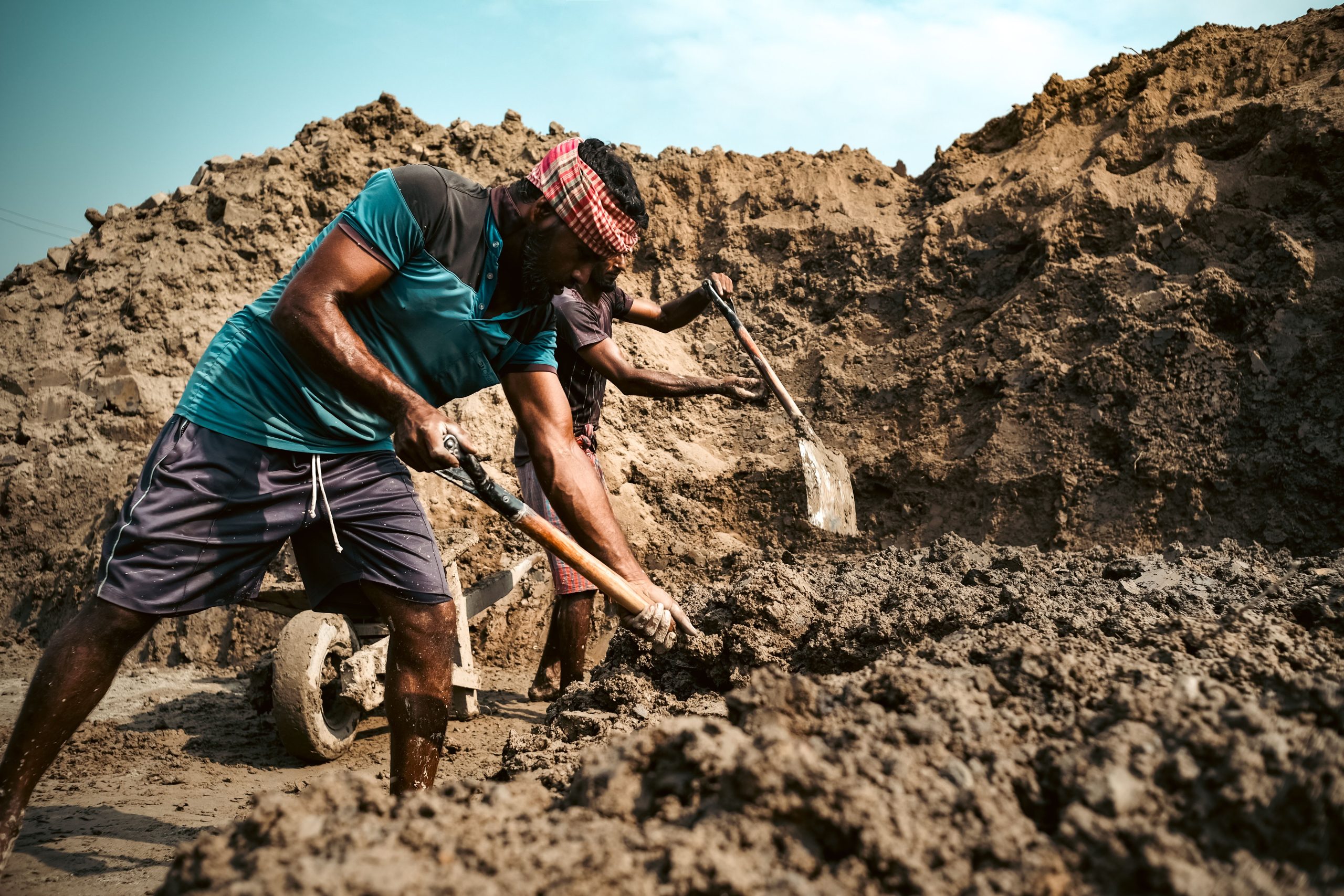
A day labourer paragraph describes the life, work, struggles, and contribution of a person who earns a living through daily physical labour. A day labourer usually has no permanent job or fixed monthly income and depends on finding work each day to support his family. He may work in construction, agriculture, transportation, markets, or other sectors. This topic is commonly used in school and board examinations because it teaches students about hard work, poverty, dignity of labour, and the importance of respecting every honest profession.
A Day Labourer Paragraph in 100 Words
A day labourer is a person who earns his living through daily physical work. He usually has no permanent job or fixed salary. He may work at construction sites, farms, markets, factories, or brickfields. He often starts work early in the morning and continues until evening. His work is tiring, but he works hard to support his family. Sometimes, he cannot find work and returns home without wages. This makes his life uncertain and difficult. Still, he does not lose hope. Day labourers help build houses, roads, and other useful structures. We should respect them because their honest work contributes greatly to society.
A Day Labourer Paragraph for Class 7 – 150 Words
A day labourer is a hardworking person who earns money by working from day to day. He usually does not have a permanent job or regular salary. He may work on a construction site, in a field, at a market, or in a factory. His work may include carrying bricks, digging soil, loading goods, or helping farmers.
A day labourer normally gets up early and goes out in search of work. If he finds a job, he works for several hours and receives his wages after completing it. He uses his earnings to buy food, clothes, medicine, and other necessities for his family. If he does not find work, he earns nothing that day.
His life is full of hardship, but he continues working honestly to support his family. Day labourers also contribute to the development of our communities by doing many necessary jobs. We should respect them and never look down on them because honest labour is always valuable.
A Day Labourer Paragraph for Class 8 – 200 Words
A day labourer is a person who depends on daily wages to support himself and his family. He does not usually have permanent employment, so his income is uncertain. He may work in construction, agriculture, transportation, markets, factories, brickfields, or warehouses. His duties often involve carrying heavy materials, digging, loading and unloading goods, or performing other manual tasks.
His day generally begins early in the morning. He leaves home looking for an employer who needs workers. Once he gets a job, he may have to work for many hours. Working in extreme heat, rain, dust, or cold can make his job even more difficult. At the end of the day, he receives his wages and returns home tired.
The income of a day labourer is often spent on immediate family needs such as food, rent, clothing, education, and healthcare. When there is no work, his family may face financial difficulties. He may have little opportunity to save money or prepare for emergencies.
Despite these problems, a day labourer continues to work with patience and determination. His efforts help build homes, roads, markets, and other facilities. We should appreciate his contribution and treat him with dignity.
A Day Labourer Paragraph for SSC – 250 Words
A day labourer is a person who earns his livelihood by performing temporary or daily physical work. He generally has no permanent employment and receives wages according to the days he works or the tasks he completes. Construction sites, agricultural fields, brickfields, markets, factories, warehouses, and transport-related activities are common sources of employment for day labourers.
The life of a day labourer is full of uncertainty. He often wakes up early in the morning and goes to a place where workers gather in search of employment. If an employer hires him, he spends the day performing strenuous tasks such as carrying bricks, digging earth, lifting materials, loading goods, or working in the fields. He may have to work under the hot sun or in unfavorable weather.
His income is generally used to meet the basic needs of his family. He may have to pay for food, housing, clothing, education, and medical treatment. If he cannot find work, he receives no wages for that day. A long period without employment can therefore create serious financial problems.
Despite his hardships, a day labourer makes an important contribution to society. Many houses, roads, buildings, farms, and other projects depend on the efforts of manual workers. Their work supports both local communities and economic activities.
Day labourers deserve fair wages, safe working conditions, and timely payment. Society should never judge a person by the type of work he performs. The life of a day labourer teaches us to respect honest labour, understand the struggles of others, and value the contribution of every worker.
A Day Labourer Paragraph for HSC – 300 Words
The life of a day labourer reflects the economic uncertainty faced by people who depend on temporary employment. A day labourer generally works without a permanent contract or fixed monthly salary and receives payment according to the work completed. He may find employment in construction, agriculture, transportation, brickfields, road maintenance, warehouses, or other sectors that require manual labour.
A day labourer’s routine is physically demanding. He often leaves home early in the morning to search for work. In some areas, workers gather at particular locations where contractors or employers select labourers according to their needs. After finding employment, he may spend several hours carrying materials, digging, lifting, loading goods, cultivating land, or performing repetitive tasks. Heat, rain, dust, and long working hours can make these jobs exhausting.
The greatest difficulty is the uncertainty of income. When work is available, his wages may help provide food, housing, education, and healthcare for his family. When no work is available, however, he earns nothing. Since his earnings are often limited, saving for emergencies can also be difficult. Illness or injury may create additional hardship because being unable to work can immediately reduce his income.
Despite these challenges, day labourers play a valuable role in society. They provide essential physical labour in construction, agriculture, transportation, and infrastructure development. Many of the roads, houses, markets, and other facilities around us depend partly on their efforts.
Improving their lives requires more than sympathy. Fair wages, timely payment, safe workplaces, healthcare, skill-development opportunities, and social support can provide greater security. Society should also recognize the dignity of manual labour and treat workers fairly regardless of their occupation.
The life of a day labourer teaches us the importance of perseverance, responsibility, and respect for honest work. Although his financial condition may be difficult, his contribution to society is significant and deserves proper recognition.
A Day Labourer’s Daily Life
The daily routine of a day labourer depends largely on whether work is available. He usually wakes up early, prepares himself, and leaves home in search of employment. After finding a job, he may spend the day carrying materials, digging, loading goods, working in a field, or performing other physical tasks.
At the end of the working day, he receives his wages and returns home. These earnings are often used immediately for household expenses. The next morning, he may have to begin the search again because there is no guarantee of another job.
This uncertainty is one of the hardest parts of his life. Even so, he continues working because his family depends on him.
Problems Faced by a Day Labourer
A day labourer may face several difficulties:
- Irregular employment: Work may not be available every day.
- Uncertain income: His earnings depend on the amount of work he gets.
- Physical exhaustion: Manual work often requires considerable strength and stamina.
- Difficult weather: Outdoor workers may have to work in heat, rain, or cold.
- Healthcare problems: Illness or injury can prevent him from earning.
- Family responsibilities: His income may have to support food, housing, education, and healthcare.
- Limited financial security: Low and irregular earnings can make saving difficult.
These challenges make stable employment and fair working conditions especially important for day labourers.
Importance of Day Labourers in Society
Day labourers perform many jobs that are essential to everyday life. Construction workers help build houses, roads, schools, markets, and other structures. Agricultural labourers support food production, while workers involved in transportation and loading help move goods.
Their work is sometimes overlooked because much of it happens behind the scenes. However, communities depend on their physical effort. Their contribution shows that every honest profession has value, whether it takes place in an office, a factory, a field, or a construction site.
Respecting day labourers is therefore part of respecting the dignity of labour.
What Are the Pleasures and Pains of a Day Labourer?
A day labourer’s greatest satisfaction may come from finding enough work to support his family. He may feel happy when he can provide food for his children, pay their school expenses, or meet an important household need through his own earnings.
His pains include uncertain employment, physical exhaustion, low income, difficult weather, illness, and family responsibilities. The absence of work can be especially stressful because it means losing that day’s earnings.
Understanding both sides of his life helps students see him not only as a poor worker but also as a responsible person who works hard for his family.
Moral Lesson of a Day Labourer Paragraph
The main lesson is the dignity of labour. We should never judge people by their occupation or financial condition. A person who earns an honest living through physical work deserves respect.
The topic also teaches us hard work, patience, responsibility, perseverance, and compassion. It reminds us that many of the things we use every day depend on workers whose efforts are often unnoticed.
Important Points to Remember for an Exam
If you want to write the paragraph in your own words, remember this simple order:
Who he is → where he works → daily routine → income → family needs → problems → contribution → dignity of labour
This sequence makes it easier to answer different versions of the question without memorizing every sentence.
Conclusion
The life of a day labourer is marked by hard work, financial uncertainty, and responsibility toward his family. Despite these challenges, his contribution to construction, agriculture, transportation, and other sectors is valuable to society. This a day labourer paragraph helps students understand why every honest profession deserves dignity and respect. It also reminds us that hardworking people should be treated fairly and given opportunities to build a more secure future.
Frequently Asked Questions
Q1. What is a day labourer?
A day labourer is a person who earns a living by doing temporary or daily physical work. He is usually paid according to the work he completes or the days he works.
Q2. What does a day labourer do?
A day labourer may work at construction sites, farms, markets, brickfields, warehouses, factories, or other places. Common tasks include carrying loads, digging soil, loading goods, cultivating fields, and assisting in construction work.
Q3. What is the daily routine of a day labourer?
A day labourer usually gets up early and goes out in search of work. After finding a job, he performs physically demanding tasks for several hours and generally receives his wages after completing the day’s work.
Q4. What happens when a day labourer cannot find work?
When a day labourer cannot find work, he usually earns no wages that day. Since his family may depend on his daily income, even a single day without work can make it difficult to pay for food and other necessities.
Q5. What are the pleasures and pains of a day labourer?
A day labourer’s main satisfaction comes from finding enough work to support his family. His difficulties include uncertain employment, low income, physical exhaustion, difficult weather, illness, and the constant worry of not finding work.
Q6. Why is the life of a day labourer difficult?
His life is difficult because he often has no permanent employment or fixed monthly income. His earnings depend on the availability of work, while his family still has regular expenses for food, housing, education, and healthcare.